How to Remove Stubborn Oil Stains from Concrete Garages
Oil stains are among the most common problems in residential garages across Cairns. Whether the cause is a leaking sump, a dripping lawnmower or a motorbike parked in the same spot for months, oil soaks into concrete quickly. Concrete is porous, so the oil does not just sit on the surface. It wicks down into the tiny capillaries of the slab. With the right method and a little patience, even old stains can be lightened dramatically or removed completely.
Why Oil Stains Are So Hard to Remove from Concrete
Concrete contains thousands of microscopic pores and channels. When oil lands on an unsealed slab, it penetrates these spaces through capillary action. The longer it sits, the deeper it travels and the more it bonds with the cement paste. Fresh spills are far easier to treat than stains that have set for months or years.
Cairns' tropical climate adds another challenge. High humidity and warm temperatures through the wet season keep concrete slightly damp and can cause oil to spread and darken. Heat can also thin oil, helping it travel deeper. Garages with poor ventilation can also grow mould and mildew around stained areas, which makes the discolouration look worse.
What You Need Before You Start
Gather your materials before you begin so you can work through the process without interruption. Most of what you need is available from local hardware stores in Cairns.
- Absorbent material such as kitty litter, sawdust or cornflour
- Heavy-duty degreaser or concrete cleaner
- Laundry powder or dishwashing liquid
- Baking soda (bicarbonate of soda)
- Stiff nylon-bristle brush (avoid wire brushes, which can leave rust marks)
- Commercial poultice product or oil stain remover for concrete
- Bucket, hot water and a garden hose or pressure washer
- Gloves, safety glasses and closed-in footwear
- Plastic sheeting and masking tape
Step-by-Step Methods for Removing Oil Stains
Step 1: Soak Up Fresh Oil Immediately
If the spill is recent, act straight away. Do not wipe it, as this spreads the oil and pushes it into more pores. Cover the spill with a thick layer of kitty litter, sawdust or cornflour. Leave it for several hours or overnight, then sweep it up. Repeat until no more oil is drawn out. Dispose of used absorbent responsibly, as it is contaminated with petroleum products.
Step 2: Scrub with Degreaser and Hot Water
For light to moderate stains, apply a concentrated degreaser directly to the area. Let it sit for the time recommended on the label, usually 15 to 30 minutes. Scrub vigorously with a stiff nylon brush, then rinse with hot water. Dishwashing liquid mixed with baking soda into a paste is a gentler alternative for small marks.
Step 3: Use a Poultice for Deep, Old Stains
A poultice is the most effective method for stubborn, deep-set oil. It works by drawing the oil upward out of the concrete as it dries. You can buy a ready-made concrete poultice, or make a simple version by mixing an absorbent powder with a solvent or strong degreaser to form a thick paste.
- Clean the area of loose dirt and dust, and wet it lightly with water if the product instructions suggest this.
- Spread the poultice paste about 6 to 10 mm thick over the stain, extending a few centimetres past its edges.
- Cover with plastic sheeting and tape the edges down so the paste dries slowly.
- Leave for 24 to 48 hours, then remove the plastic and let the paste dry completely.
- Scrape off the dried poultice with a plastic scraper, sweep it up and rinse the area.
- Repeat as needed. Very old stains may need two or three applications.
Step 4: Try Enzyme or Bio-Based Cleaners
Enzyme-based and microbial concrete cleaners break down hydrocarbons rather than simply lifting them. These products have become increasingly popular in 2026 as households look for lower-toxicity options. They usually work more slowly than solvent products, often needing several days of contact time and keeping the surface damp, but they are well suited to deep stains and are generally safer around pets and gardens.
Step 5: Pressure Wash with Care
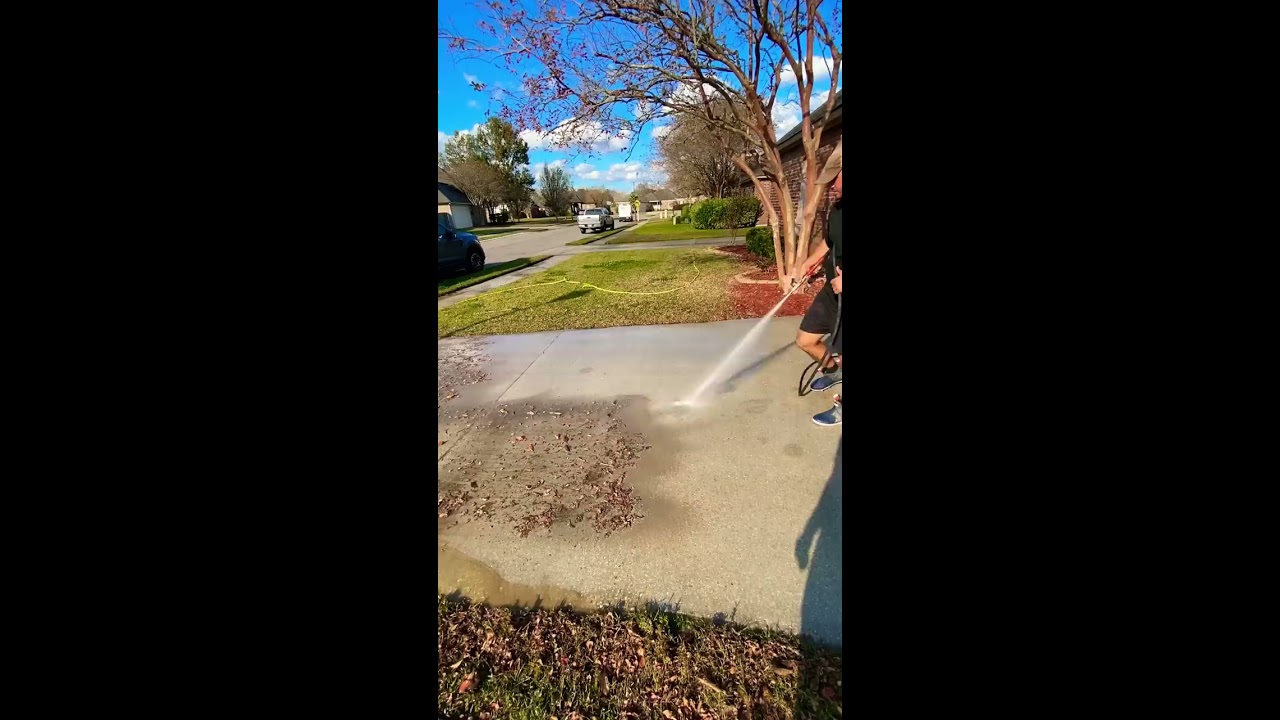
After treating the stain, a pressure washer with hot water, if available, can remove residue. Keep the nozzle moving and hold it at a consistent distance, because focusing on one spot can etch the surface and leave a visible pale patch. Avoid pressure washing untreated oil, as it can force the oil deeper into the slab.
Dealing with Very Old or Large Stains
If repeated treatments only fade the stain, a professional approach may be warranted. Tradespeople can use industrial-strength alkaline degreasers, hot-water extraction, or diamond grinding to remove the top layer of concrete. Grinding removes the contaminated surface, though it will change the finish, so the entire floor is often ground and resealed for a consistent appearance.
Another option is to cover persistent stains with an epoxy or polyaspartic floor coating. Surface preparation matters, because oil left in the slab can interfere with coating adhesion and cause peeling or bubbling. Always degrease thoroughly and test the slab before applying any coating.
Safety and Environmental Considerations in Cairns
Cairns sits close to the https://pressurecleaningcairns.com.au/gutter-cleaning/ Great Barrier Reef and the Wet Tropics World Heritage Area, and stormwater drains here flow to local creeks, estuaries and ultimately the reef lagoon. Never wash oily water, solvents or degreaser runoff into the street gutter or stormwater drain. Instead:
Soak up contaminated rinse water with absorbent material, collect it in a container and take it to an appropriate waste facility. Cairns Regional Council provides information on household chemical and waste oil disposal, and many local facilities accept used oil and oily rags. Check current requirements before disposal.
Also wear gloves and eye protection, and ventilate the garage well by opening doors and using fans. In Cairns' humid conditions, vapours can linger, so avoid mixing cleaning products. Never combine bleach with other chemicals, and keep solvent-soaked rags away from heat sources, since oily rags can be a fire hazard.
How to Prevent Future Oil Stains
Prevention is easier than removal. A few simple habits and upgrades can keep your garage floor looking clean.
Seal the Concrete
A penetrating concrete sealer or a quality epoxy coating fills the pores and stops oil from soaking in. Sealed floors let you wipe up spills before they cause stains. In Cairns, choose a product suitable for humid conditions and ensure the slab is fully dry before application, as trapped moisture can cause coating failure.
Use Drip Trays and Mats
Place drip trays or oil-absorbent mats under vehicles, motorbikes and equipment that tend to leak. Replace them when saturated. Fixing the leak at its source, such as a worn gasket or loose sump plug, is the most effective long-term solution.
Clean Spills Quickly
Keep a bag of absorbent material in the garage so you can respond immediately. Spills treated within the first hour rarely leave lasting marks.
Frequently Asked Questions
Does Coca-Cola remove oil stains from concrete?
This popular home remedy has limited effect. The mild acidity may lighten very light stains slightly, but it is not as effective as a proper degreaser or poultice, and it can leave a sticky residue.
Can I use bleach on oil stains?
Bleach does not break down oil and is not recommended. It may lighten the surface discolouration but leaves the oil in the slab, and it creates unnecessary chemical runoff.
How long does it take to remove a deep oil stain?
Fresh stains can be treated within a day. Old, deeply set stains may take several poultice applications over one to two weeks, and some shadowing can remain even after thorough treatment.
When to Call a Local Cairns Professional
If a stain covers a large area, has resisted multiple treatments, or you plan to coat the floor, a local concrete cleaning or polishing specialist can assess the slab and recommend the best option. Professional equipment can deliver faster, more even results and handle waste water in a compliant way. With persistence and the right products, most oil stains on Cairns garage floors can be significantly improved, and a sealed surface will help protect your concrete well into 2027 and beyond.
Expert Pressure Cleaning Cairns
(07) 4058 8889